From Waste to Resources: How Indian Industries Can Embrace the Circular Economy
- 2026-02-27
- Published by Luthra Group LLP
- Mr. Dhruv Luthra, Managing Director, Luthra Group
India being 7th largest country in the world, covering 2.4% of world’s land surface and holding about 17.78% of the global population, is continuously facing, scarcity of resources, pollution problems and climate change issues. Fortunately, Indian industries are adopting 7Rs strategic plan keeping in mind the importance of SDGs. Reduce, Reuse, Recycle, Redesign, Remanufacture, Refurbish, and Repair - 7Rs, is a recent evolution of 3Rs (Reduce, Reuse and Recycle), further strengthening the take on “Take-Make-dispose” tactic of traditional Linear economy.
Indian Industrialists are realizing that last day’s waste can be next day’s capital. They are recovering energy from waste and making alternative fuels which can serve as raw material for other industries. Renewable resources like wind, solar, geothermal or other, often come to mind when someone thinks about alternate energy. Waste does not click to mind despite being rich in chemical energy which can be transformed into fuel. Usage of waste as alternate fuel and raw materials referred to as AFR in resource and energy consumption companies is the continuing industrial trend and is termed as co-processing. It not just supports upcycling of waste but also lessens greenhouse gas emission. In 2023, 53.82 billion ton of greenhouse gas is emitted worldwide and after China (13.97 billion ton), Europe (6.73 billion ton), US (5.89 billion ton) and Africa (4.66 billion ton), India shows 4.20 billion ton of its emission. Strategic circular economy plan might help in 40% reduction of global greenhouse gas emission by 2050.
Cement industry, being the third largest consumer of energy, has shown incredible surge in co-processing of AFR. Burning AFR in cement kilns at extremely high temperature instead of combusting limitedly available non-renewable fuels, saves ~30-40% production costs. By 2034, Indian cement kiln co-processing market is projected to expand at a compound annual growth rate (CAGR) of around 6.7%.
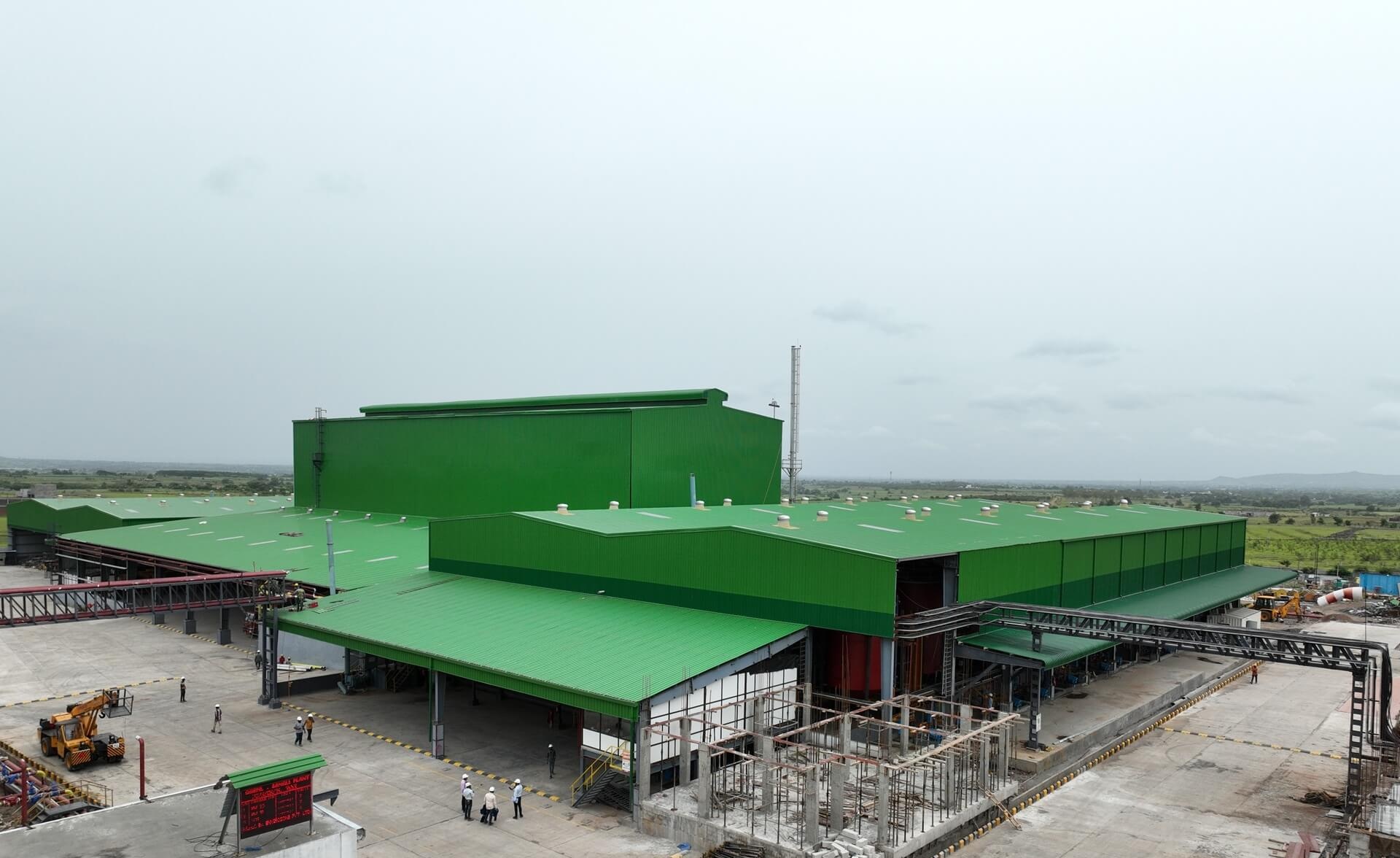
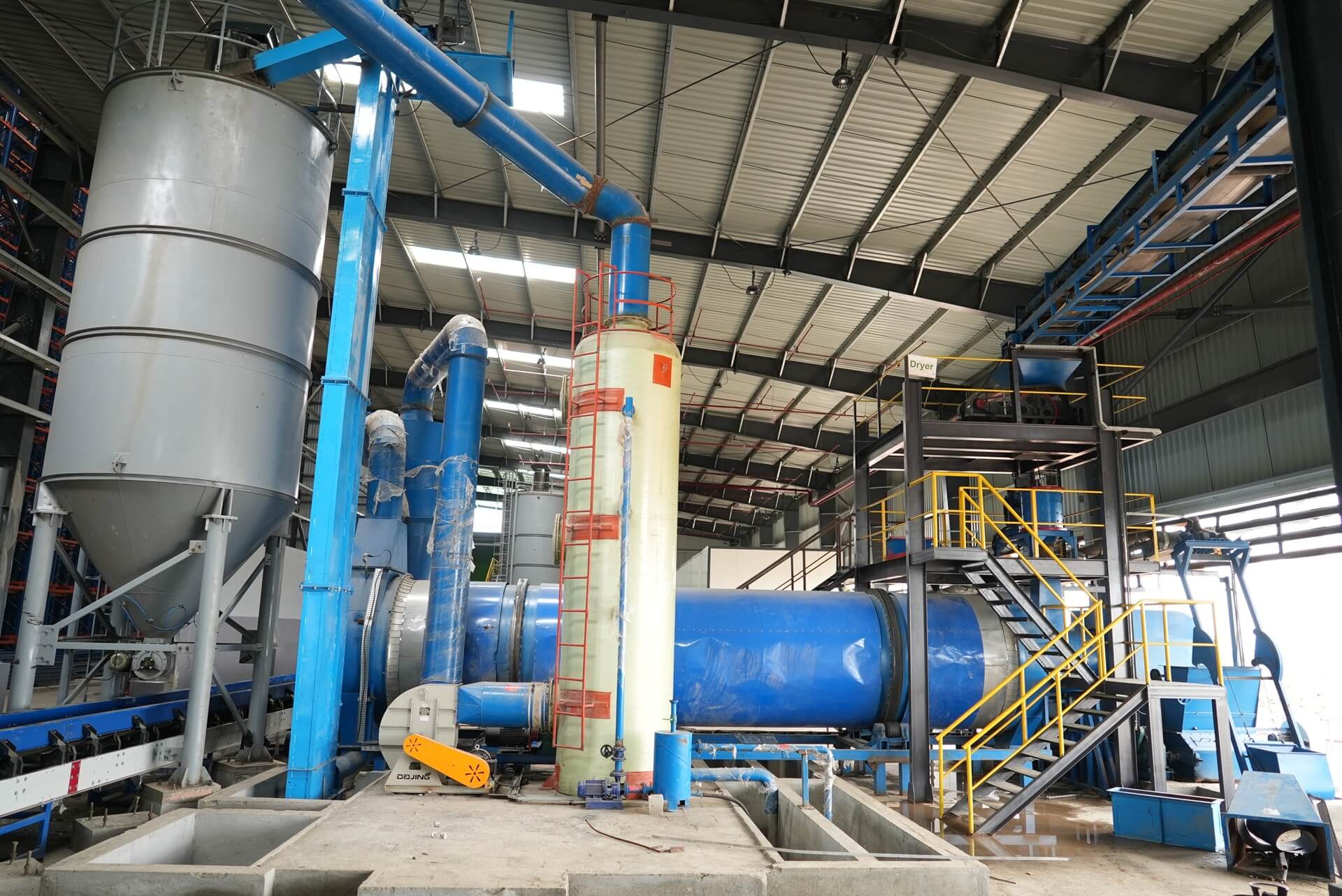
Luthra Group pioneered India’s first Hazardous Waste Pre-Processing Facility for Alternate Fuels (AFR), initiating commercial trial operations in 2009. Since then, the network has expanded to eight facilities across seven states and one Union Territory, serving over more than 8,500+ industrial hazardous waste generating units. Through continuous process optimization and infrastructure development, the AFR pre-processing capacity has grown significantly from 1,200 MTPM to over 25,000 MTPM. Luthra works closely with leading cement manufacturers promoting circular economy in India.
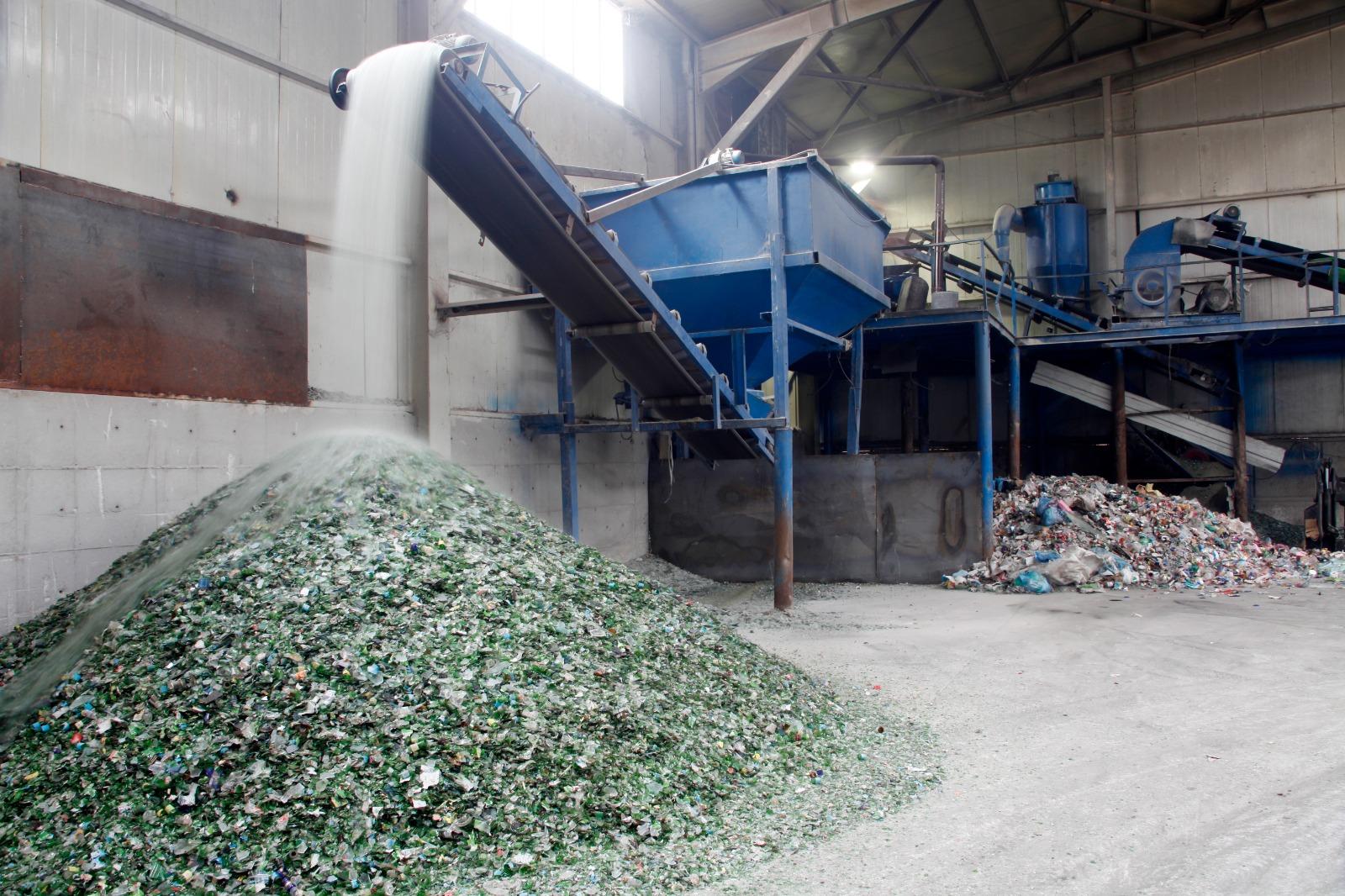
Pre-processing of waste to produce AFR with correct characteristics is the pre-requisite for smooth co-processing. Pre-processing is very crucial as almost all sorts of waste have diverse chemical as well as physical nature, and this is where industries face massive challenges. Dedicated industrial efforts have resolved many such problems and are constantly working to improvise it further.
The waste management rules are getting stronger, encouraging industries to undertake circular economy approaches. In support of India’s approach on “Mission Circular Economy”, governmental bodies have brought up circular economy action plans for various wastes. Ministry of Government of India has highlighted AFR as a strategic waste management regulation in 2016, supporting it as a sustainable alternative to traditional landfilling and incineration tactics. By 2050, Indian industries might create over 10 million jobs in the circular economy sector having market wroth of $2 trillion. Moreover, India is keen to host World Circular Economy Forum 2026.
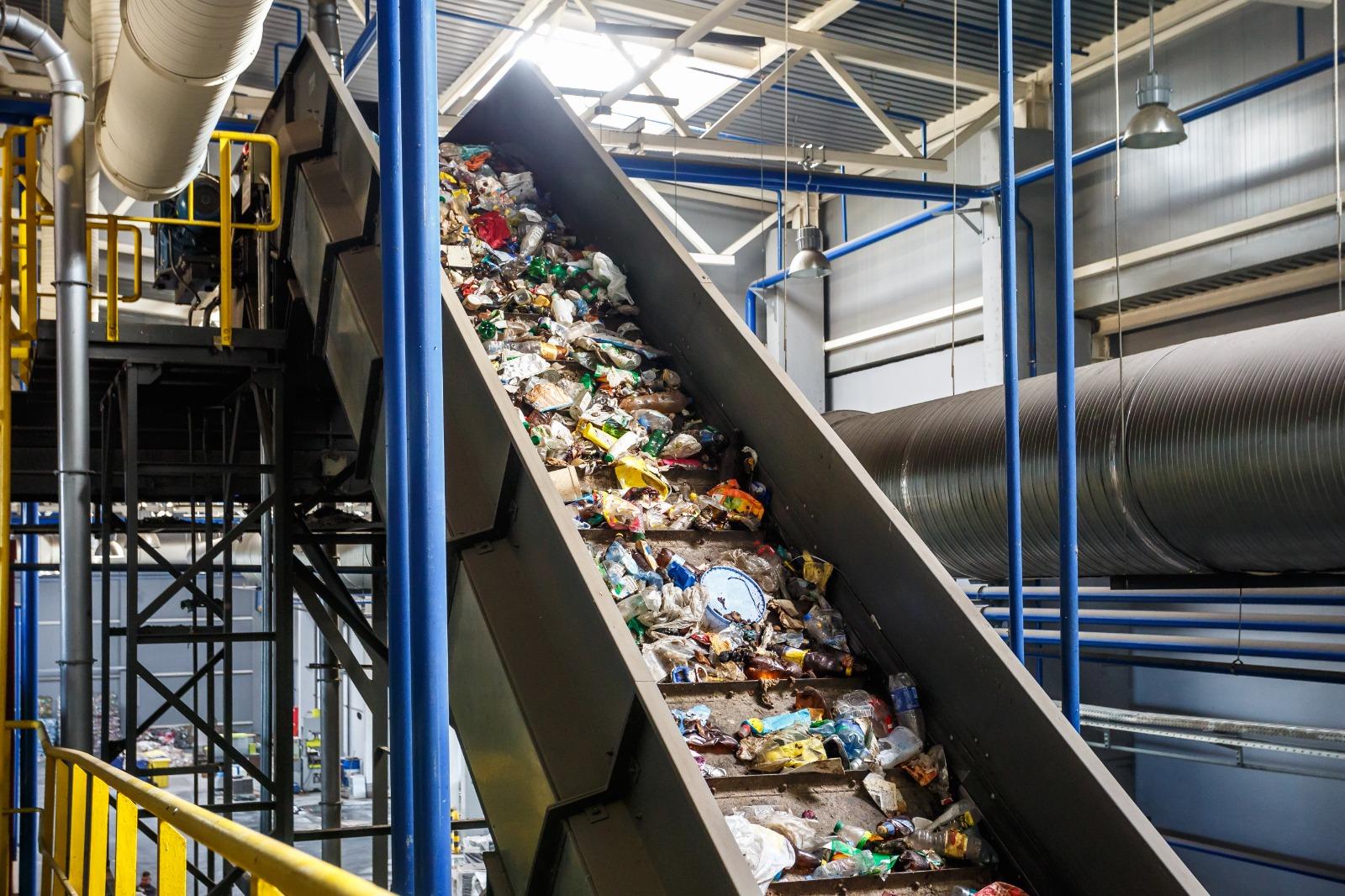
Despite of varied challenges, Indian waste management industries are rapidly growing and not only managing waste but are also opening doors for new business opportunity, creating jobs and contributing to country’s capital value.
At Luthra Group, we don’t see waste- rather we look at the waste as a resource of energy. we keenly contribute to circular economy via innovative approach where sustainability and growth grow hand in hand. Our mission is to be a force of good that transforms lives by 2030, reducing our own carbon footprint by 40% through innovative solutions. We are committed to guiding companies towards smart, efficient and environmentally friendly practices in the management of industrial waste. Our goal is clear to build a future that's not just sustainable but regenerative.

