Luthra Water’s Mission to Transform Industrial Wastewater
- 2025-03-21
- Published by Luthra Group LLP

India is facing an unprecedented water crisis. According to a report by NITI Aayog, approximately 70% of the country’s surface water is contaminated, making it unsafe for consumption. Urban areas alone generate about 72,368 million liters of sewage daily, yet only 28% undergo treatment, leaving the majority to pollute rivers and lakes. Industrial activities further exacerbate this issue, contributing around 6.2 billion liters of untreated wastewater each day. This environmental challenge demands innovative and scalable solutions to safeguard the nation's water resources.
The Urgency of Industrial Wastewater Recycling
Rapid industrialization is one of the main reasons behind India’s deteriorating water quality. As industries expand, so does the demand for water, leading to over-extraction from natural sources. The resultant wastewater, laden with harmful chemicals and pollutants, poses a significant threat to aquatic ecosystems and human health. Effective wastewater management is no longer an option - it is an urgent necessity.
Luthra Water is at the forefront of addressing this challenge by redefining how industrial wastewater is managed and repurposed. The company believes in the principle of "Eka" - a Sanskrit word meaning "One" or "Unity." For Luthra Water, wastewater is merely water in transition, waiting to be transformed into something invaluable. By adopting this philosophy, the company views every drop as a resource rather than waste, driving its mission to create a sustainable future.
Leading the Way with CETP-ZLD Technology
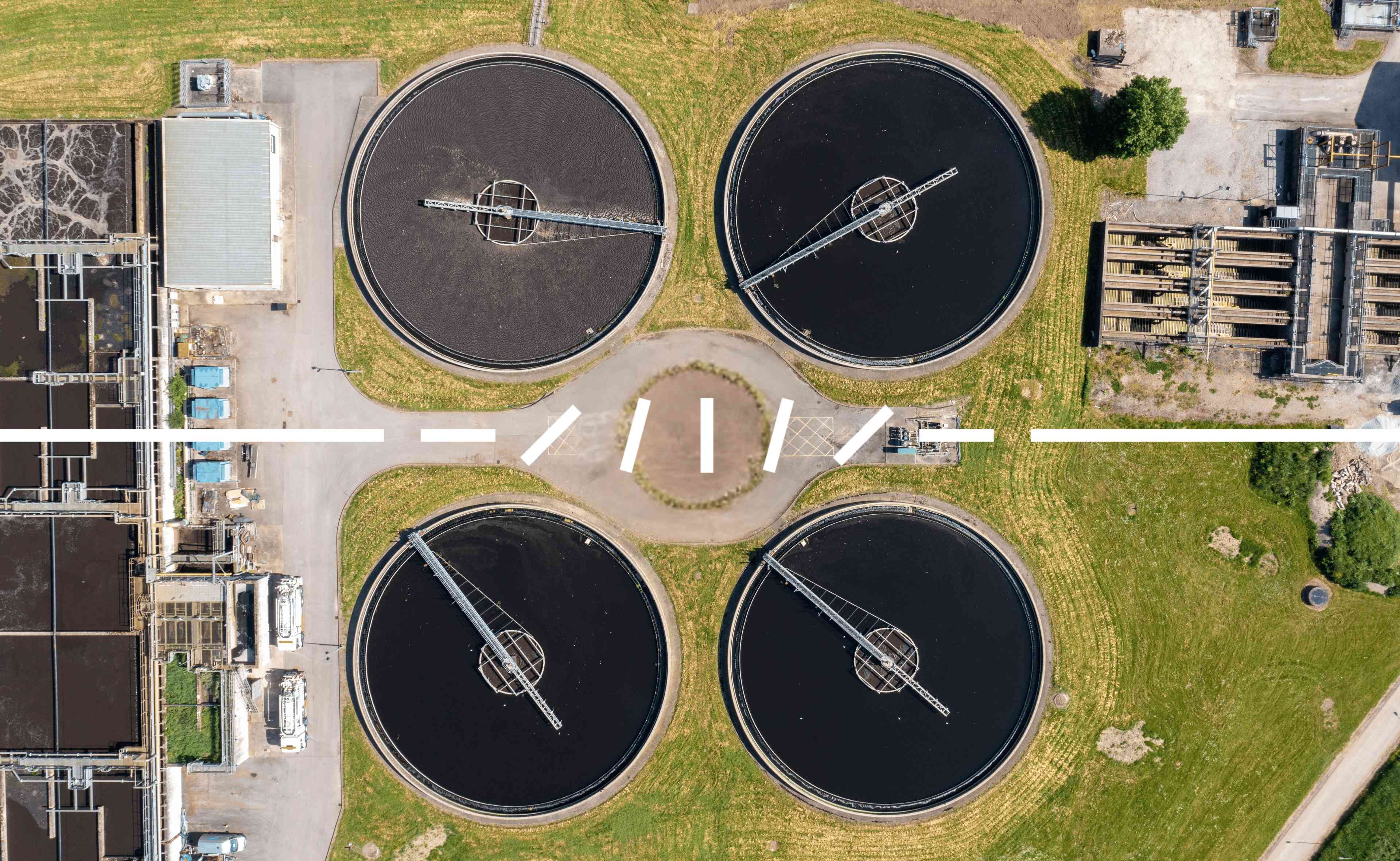
To achieve its ambitious sustainability goals, Luthra Water employs advanced Common Effluent Treatment Plant - Zero Liquid Discharge (CETP-ZLD) facilities. Effluent wastewater, also known as industrial wastewater, is the byproduct from manufacturing processes, often containing pollutants and chemicals. Luthra Water’s CETP-ZLD systems recycle up to 95% of industrial wastewater and 90% of the salts it contains, ensuring minimal environmental impact. This closed-loop process prevents wastewater from entering natural water bodies, thereby protecting aquatic life and maintaining the ecological balance.
With a robust client base of 8,000 and a combined treatment capacity of 205 million liters per day (MLD), Luthra Water is a leader in industrial wastewater recycling. The company is also gearing up to expand its capacity by an additional 285 MLD by 2027, positioning itself as a cornerstone of India’s water conservation efforts. A 200-kilometer pipeline network efficiently transports treated water, facilitating its reuse across various industries, including textiles, chemicals, and manufacturing.
Contributing to India’s Water Security by Adopting a Circular Economy Approach
The significance of Luthra Water’s initiatives extends beyond environmental preservation—it contributes directly to India’s water security. By recycling industrial wastewater, the company reduces the demand for freshwater extraction, thus preserving natural water sources for essential needs like agriculture and drinking water supply.India's water and wastewater treatment market is poised for significant growth in the coming years. Recent projections indicate that the market, valued at USD 2.54 billion in 2025, is expected to reach USD 6.30 billion by 2034, reflecting a compound annual growth rate (CAGR) of 10.60% during the forecast period. This growth underscores the increasing need for innovative solutions in wastewater management. By proactively addressing this demand, Luthra Water is not only safeguarding water resources but also creating economic value for industries that rely on sustainable water usage.
Luthra Water’s commitment to sustainability is deeply rooted in the concept of a circular economy—a system where resources are reused, recycled, and repurposed to minimize waste. By transforming wastewater into reusable water, the company maximizes value while minimizing environmental impact.
This circular approach aligns with global sustainability goals, including the United Nations Sustainable Development Goals (SDGs), which emphasize responsible consumption and production patterns. By adopting a circular economy model, Luthra Water is driving a shift from a linear ‘use-and-dispose’ mindset to one of regeneration and renewal.
Looking Ahead: Building a Water-Secure Future
Luthra Water is not just reacting to the water crisis, but is also proactively shaping the future of industrial water management. The company’s strategic focus on advanced recycling technologies and expanding treatment capacities underscores its commitment to sustainable development.
As India continues to urbanize and industrialize, the pressure on water resources will only intensify. Luthra Water’s innovative solutions provide a blueprint for industries to operate responsibly, ensuring water availability for generations to come. By reimagining wastewater as a valuable resource and embracing circular economy principles, Luthra Water is paving the way for a water-secure future.
Water is the essence of life, and its conservation is vital for sustainable progress. Luthra Water’s pioneering efforts in recycling industrial wastewater demonstrate that sustainability and industrial growth can coexist. Through cutting-edge technologies, a commitment to circular economy practices, and a forward-looking vision, Luthra Water is setting new benchmarks in water stewardship.
The journey towards water security is complex and challenging, but with visionary leadership and innovative solutions, it is achievable. Luthra Water stands as a bea

